
Society updated
Paketa anti-protestë e qeverisë • Shteg Investigativ
What happened
Compiled from the sources
Dy aktet normative të miratuara më 28 tetor zgjerojnë kompetencat e policisë dhe krijojnë një skemë kompensimi për bizneset e dëmtuara, ndërsa avokatët ngrenë pikëpyetje për kufizimin e tubimeve dhe përgjegjësinë ligjore.
In the story's original language
An excerpt from Shteg Investigativ
Credits: shteg.org - Protestat e organizuara në TiranëQeveria shqiptare ka ashpërsuar kuadrin ligjor për organizimin dhe zhvillimin e protestave, duke i dhënë Policisë së Shtetit kompetenca të reja për kufizimin e tubimeve pranë institucioneve publike dhe duke parashikuar gjoba deri në 500 mijë lekë për shkelje të caktuara. Më 28 tetor, qeveria miratoi dy akte normative që ndryshojnë rregullat për zhvillimin e tubimeve dhe përcaktojnë një mekanizëm të ri për kompensimin e dëmeve materiale të shkaktuara gjatë protestave të dhunshme. Akti i parë i jep Policisë së Shtetit kompetenca për të kufizuar ose ndaluar përkohësisht tubime në zona të caktuara, ndërsa akti i dytë parashikon që shteti të kompensojë bizneset e dëmtuara nga aktet e dhunshme gjatë tubimeve të zhvilluara nga 13 deri më 22 tetor 2026, për të kërkuar më pas kthimin e shumave nga personat përgjegjës. Në këtë proces, përgjegjësia mund të shtrihet edhe te organizata që ka organizuar protestën. Ndryshimet prekin si mënyrën e…
What is still uncertain
From Mosaic, not from a publisher
- Mosaic is not sure that every article is about the same event; the grouping is waiting for a check.
- So far only Shteg Investigativ reports this story on Mosaic, so there is no other coverage to compare it with.
How they headlined it
-
Shteg Investigativ Albania · publisher's date
Paketa anti-protestë e qeverisë • Shteg Investigativ
Earliest report found by Mosaic
Dy aktet normative të miratuara më 28 tetor zgjerojnë kompetencat e policisë dhe krijojnë një skemë kompensimi për bizneset e dëmtuara, ndërsa avokatët ngrenë pikëpyetje për kufizimin e tubimeve dhe përgjegjësinë ligjore.
Compiled from the outlet's own words · In the story's original language

How we decide
From Mosaic, not from a publisher
An article's time is the date its publisher gives, when that is plausible: not in the future, and not more than 180 minutes before Mosaic found the article. Otherwise it is when Mosaic first saw it. "Earliest report found by Mosaic" is the one with the earliest time; it does not prove that its outlet published first.
An article is marked "Repeats another outlet's text" when its cleaned text is word for word the same as another article's in the story, or nearly the same (the two texts' SimHash fingerprints differ in at most 12 of 64 bits). Both texts must have at least 30 words, and the articles must be within 48 hours of each other. That does not say who took it from whom: it can be a news agency's text or a press release that several outlets published.
It is also marked when at least 50 % of the two texts' three-word sequences are shared (estimated with MinHash), as with a copy whose lead, footer or page elements differ.
Think one of these labels is wrong? Use "Contest this" beside it: staff look at every one.
A vote says whether a story deserves more or less prominence; it does not say whether it is true. If a story is false or misleading, report it instead. For now votes are collected and do not change the order of stories. How votes are used · Report it as false or misleading
Follow developments
This story cannot be followed on its own. Follow its topics and category, and the new stories about them appear under Following.
Other related stories
-
Related story
Society
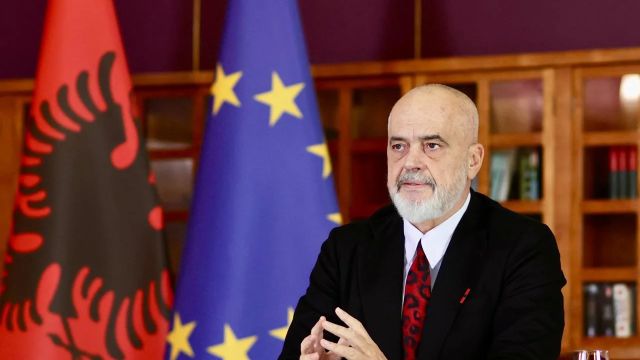
Paketa Fiskale 2027, me njërën dorë lehtësime, me tjetrën taksa të reja
-
Related story
Society
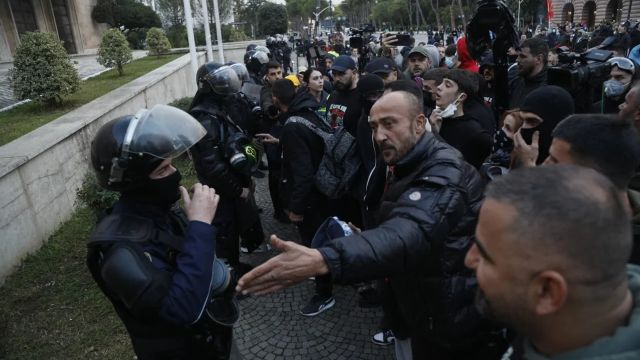
Paketa e masave ndaj protestave, KE për Faktoje: S’kemi qenë të përfshirë, do monitorojmë të drejtat themelore
-
Related story
Society
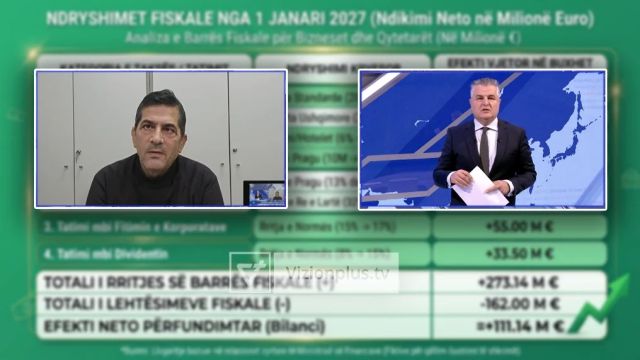
Paketa e re fiskale, Zepishta në Vizion Plus: Kush janë më të penalizuarit
-
Related story

Society
Malaj thotë se Paketa Fiskale nuk rrit taksat, por relacionet e projektligjeve tregojnë të kundërtën


Readers’ comments
These are readers’ own words, not the publishers’ and not Mosaic’s. Moderators read them; a comment that breaks the rules is hidden or removed.
No comments yet. Be the first to say something useful.