
Society updated
2.4 tonë drogë drejt vendeve të BE-së, SPAK dërgon 17 persona për gjykim • Shteg Investigativ
What happened
Compiled from the sources
Emiljan Burba, Rexhep Rraja dhe Ervis Shuli dyshohet se drejtuan dhe financuan veprimtarinë kriminale, ndërsa komunikimet në platformën e enkriptuar Sky ECC shërbyen për koordinimin e aktiviteteve të grupit, sipas prokurorisë.
In the story's original language
An excerpt from Shteg Investigativ
Credits: LSA - Grupet kriminaleProkuroria e Posaçme kundër Korrupsionit dhe Krimit të Organizuar (SPAK) ka përfunduar hetimet dhe ka dërguar për gjykim 17 persona, të akuzuar për trafik ndërkombëtar të lëndëve narkotike dhe pjesëmarrje në grup të strukturuar kriminal, në një çështje që përfshin tre episode trafikimi të dokumentuara në vitet 2020-2021. Sipas njoftimit të SPAK-ut, hetimet kanë identifikuar trafikimin e rreth 2,4 tonëve marijuanë dhe kokainë nga Shqipëria dhe Ekuadori drejt disa vendeve evropiane dhe Turqisë. Prokuroria thotë se Emiljan Burba, Rexhep Rraja dhe Ervis Shuli kanë pasur rolin e drejtuesve dhe financuesve të veprimtarisë së dyshuar kriminale, ndërsa të pandehurit e tjerë dyshohet se kanë vepruar si pjesëmarrës. “Në përfundim të hetimeve është konkluduar se të pandehurit Emiljan Burba, Rexhep Rraja dhe Ervis Shuli kanë pasur rolin e drejtuesit dhe financuesit në veprimtarinë e paligjshme kriminale”, thuhet në njoftimin e SPAK-ut. Sipas prokurorisë, të…
What is still uncertain
From Mosaic, not from a publisher
- So far only Shteg Investigativ reports this story on Mosaic, so there is no other coverage to compare it with.
How they headlined it
-
Shteg Investigativ Albania · when Mosaic first saw it
2.4 tonë drogë drejt vendeve të BE-së, SPAK dërgon 17 persona për gjykim • Shteg Investigativ
Earliest report found by Mosaic
Emiljan Burba, Rexhep Rraja dhe Ervis Shuli dyshohet se drejtuan dhe financuan veprimtarinë kriminale, ndërsa komunikimet në platformën e enkriptuar Sky ECC shërbyen për koordinimin e aktiviteteve të grupit, sipas prokurorisë.
Compiled from the outlet's own words · In the story's original language
Publisher's date:

How we decide
From Mosaic, not from a publisher
An article's time is the date its publisher gives, when that is plausible: not in the future, and not more than 180 minutes before Mosaic found the article. Otherwise it is when Mosaic first saw it. "Earliest report found by Mosaic" is the one with the earliest time; it does not prove that its outlet published first.
An article is marked "Repeats another outlet's text" when its cleaned text is word for word the same as another article's in the story, or nearly the same (the two texts' SimHash fingerprints differ in at most 12 of 64 bits). Both texts must have at least 30 words, and the articles must be within 48 hours of each other. That does not say who took it from whom: it can be a news agency's text or a press release that several outlets published.
It is also marked when at least 50 % of the two texts' three-word sequences are shared (estimated with MinHash), as with a copy whose lead, footer or page elements differ.
Think one of these labels is wrong? Use "Contest this" beside it: staff look at every one.
A vote says whether a story deserves more or less prominence; it does not say whether it is true. If a story is false or misleading, report it instead. For now votes are collected and do not change the order of stories. How votes are used · Report it as false or misleading
Follow developments
This story cannot be followed on its own. Follow its topics and category, and the new stories about them appear under Following.
Other related stories
-
Related story
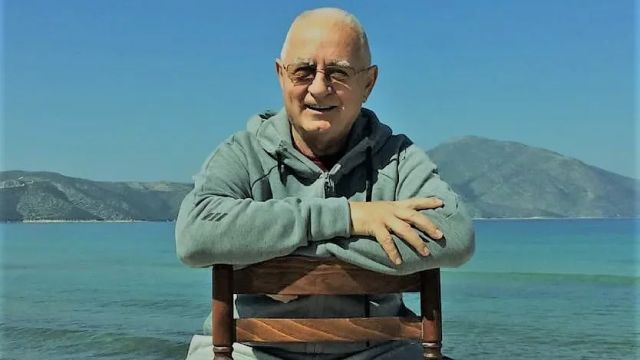
Society
Qeveria e Ramës si lumi i Lanës
-
Related story
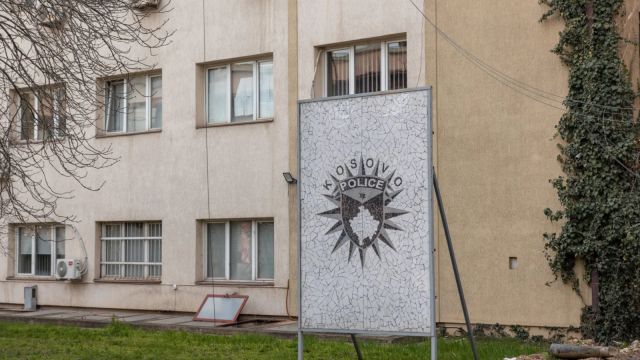
Society
Dhjetë raste të dhunës ndaj grave brenda 24 orëve të fundit në Kosovë - QIKA
-
Related story

Society
Olympiacos fiton 84-78 ndaj Milanos, por humb Montero për gjashtë muaj
-
Related story
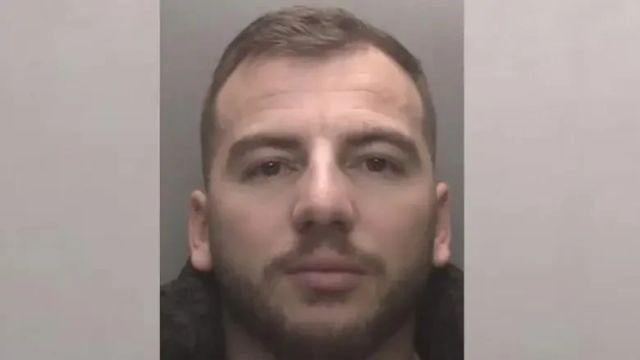
Society
Abuzoi me 17-vjeçaren në tualetin e klubit, shqiptari në arrati kapet pasi kaloi semaforin e kuq, dënohet me 7.5 vite burg


Readers’ comments
These are readers’ own words, not the publishers’ and not Mosaic’s. Moderators read them; a comment that breaks the rules is hidden or removed.
No comments yet. Be the first to say something useful.