

Society updated
Nisin hetimet, si vepruan institucionet serbe për ta lënë të lirë kryeterroristin e Banjskës
What happened
Compiled from the sources
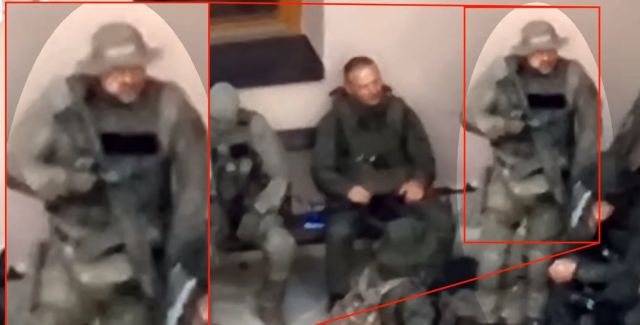
Një komision i Prokurorisë së Lartë Publike në Serbi ka nisur shqyrtimin e vendimit përmes të cilit kryeterroristi i Banjskës, Milan Radoiçiq, ishte lënë i lirë dhe nuk ishte dërguar në paraburgim pas arrestimit të tij në tetor të vitit 2023.
In the story's original language
An excerpt from Raporto24
Një komision i Prokurorisë së Lartë Publike në Serbi ka nisur shqyrtimin e vendimit përmes të cilit kryeterroristi i Banjskës, Milan Radoiçiq, ishte lënë i lirë dhe nuk ishte dërguar në paraburgim pas arrestimit të tij në tetor të vitit 2023. Sipas mediumit serb “Nova.rs”, komisioni po shqyrton rrethanat se si u mundësua lirimi i Radoiçiqit, pavarësisht se ai kishte marrë përgjegjësinë për organizimin e sulmit terrorist në Banjskë, ku mbeti i vrarë rreshteri i Policisë së Kosovës, Afrim Bunjaku. Në fokus të shqyrtimit është kërkesa e atëhershme e Prokurorisë për caktimin e paraburgimit. Në të, prokurori kishte argumentuar se ekzistonte rreziku i ikjes, por nuk kishte përmendur rrethana të tjera që mund të justifikonin masën më të rëndë të sigurisë. Bëhet fjalë për rrezikun e përsëritjes së veprës penale, ndikimin e mundshëm te dëshmitarët dhe cenimin e sigurisë publike. Pikërisht mungesa e këtyre argumenteve po shqyrtohet tash nga komisioni, sipas raportimit të “Nova.rs”. Gjykata e…
What is still uncertain
From Mosaic, not from a publisher
- So far only Raporto24 reports this story on Mosaic, so there is no other coverage to compare it with.
How they headlined it
-
Raporto24 Kosovo · publisher's date
Nisin hetimet, si vepruan institucionet serbe për ta lënë të lirë kryeterroristin e Banjskës
By Leni
Earliest report found by Mosaic
Një komision i Prokurorisë së Lartë Publike në Serbi ka nisur shqyrtimin e vendimit përmes të cilit kryeterroristi i Banjskës, Milan Radoiçiq, ishte lënë i lirë dhe nuk ishte dërguar në paraburgim pas arrestimit të tij në tetor të vitit 2023.
Compiled from the outlet's own words · In the story's original language

How we decide
From Mosaic, not from a publisher
An article's time is the date its publisher gives, when that is plausible: not in the future, and not more than 180 minutes before Mosaic found the article. Otherwise it is when Mosaic first saw it. "Earliest report found by Mosaic" is the one with the earliest time; it does not prove that its outlet published first.
An article is marked "Repeats another outlet's text" when its cleaned text is word for word the same as another article's in the story, or nearly the same (the two texts' SimHash fingerprints differ in at most 12 of 64 bits). Both texts must have at least 30 words, and the articles must be within 48 hours of each other. That does not say who took it from whom: it can be a news agency's text or a press release that several outlets published.
It is also marked when at least 50 % of the two texts' three-word sequences are shared (estimated with MinHash), as with a copy whose lead, footer or page elements differ.
Think one of these labels is wrong? Use "Contest this" beside it: staff look at every one.
A vote says whether a story deserves more or less prominence; it does not say whether it is true. If a story is false or misleading, report it instead. For now votes are collected and do not change the order of stories. How votes are used · Report it as false or misleading
Follow developments
This story cannot be followed on its own. Follow its topics and category, and the new stories about them appear under Following.
Other related stories
-
Related story
Society
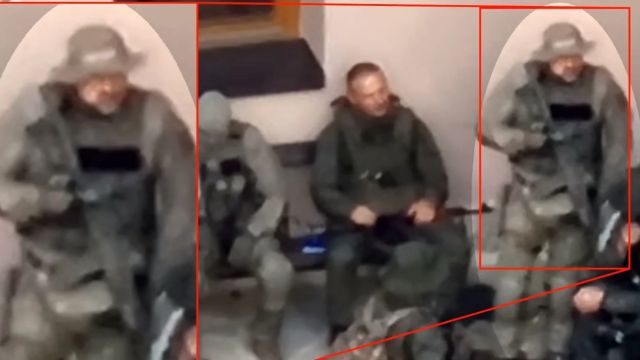
Nisin hetimet, si vepruan institucionet serbe për ta lënë të lirë kryeterroristin e Banjskës
-
Related story

Society
Hoxha e quan “morale” dorëheqjen nga pozita e drejtorit të Policisë
-
Related story

Society
Tre shenjat e horoskopit që e nisin nëntorin me fat, para dhe suksese në karrierë
-
Related story
Society
Kanada drejt një statusi të ri në BE? Von der Leyen dhe Carney nisin negociatat për një partneritet të veçantë, Gjermania kundër


Readers’ comments
These are readers’ own words, not the publishers’ and not Mosaic’s. Moderators read them; a comment that breaks the rules is hidden or removed.
No comments yet. Be the first to say something useful.